






About Watkins Woolen Mill and Bethany Farm
Established in 1839 as a small
livestock farm in the northeast corner of Clay County, Mo.,
by 1870 Bethany had expanded into a 3,660-acre agricultural
and industrial enterprise. The 1,240-acre home farm was
surrounded by a number of smaller sections, including
two 500-600 acre tenant farms. The plantation, as owner
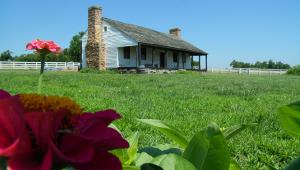
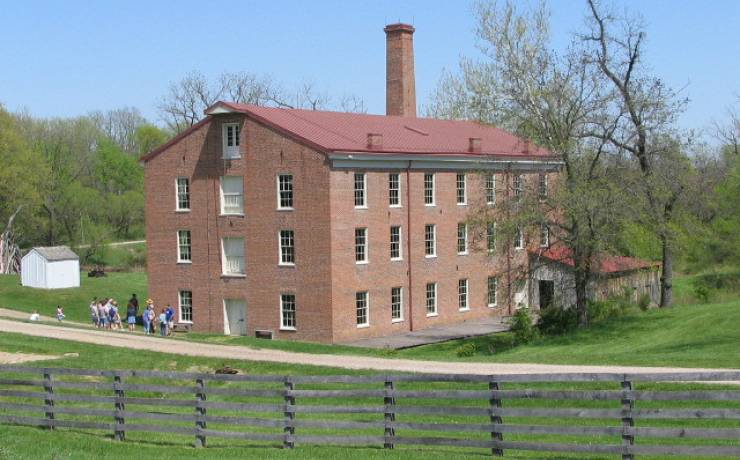
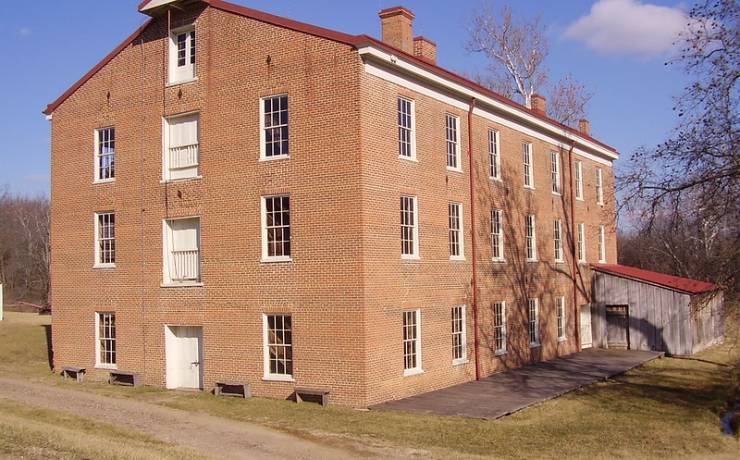
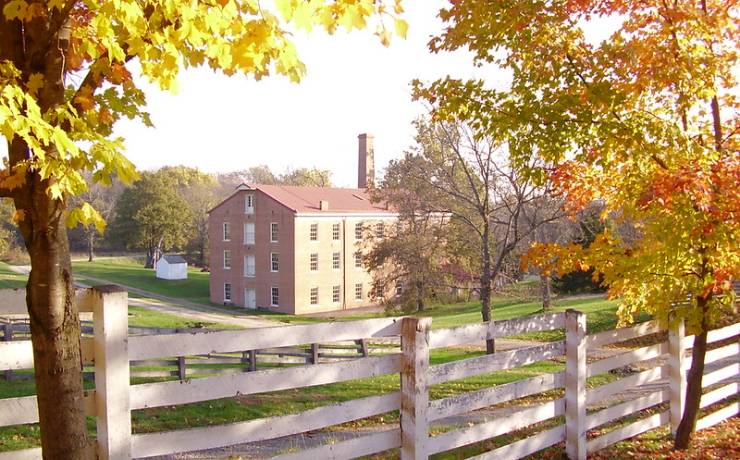
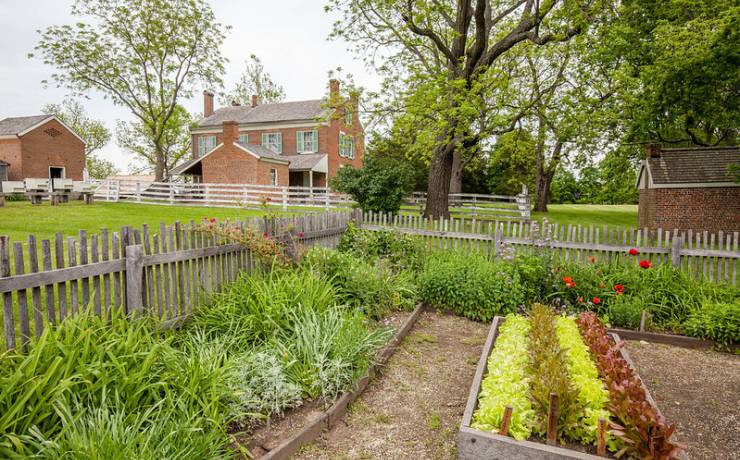
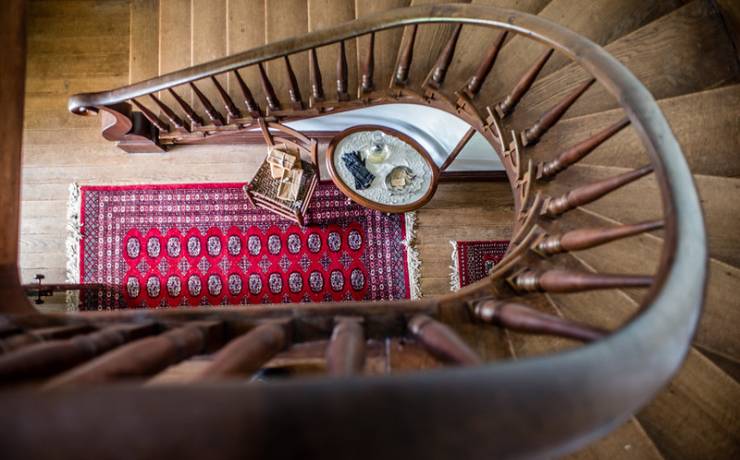
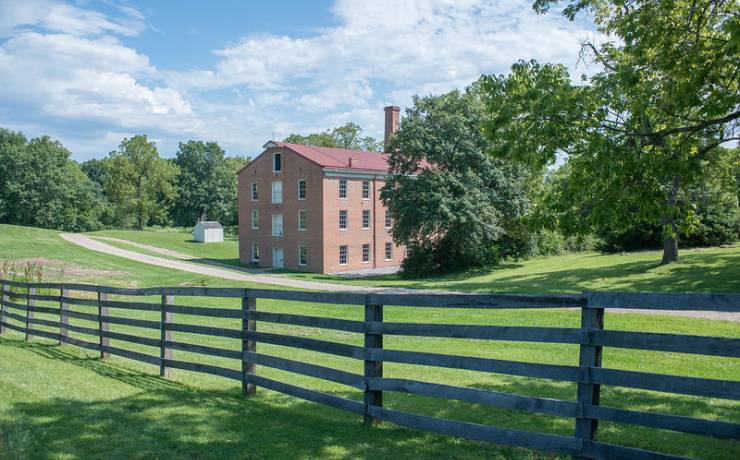
Waltus L. Watkins styled it, included an elegant home and a
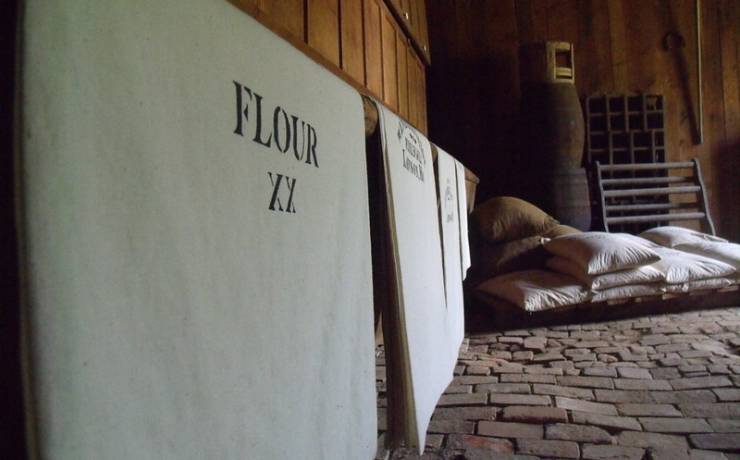
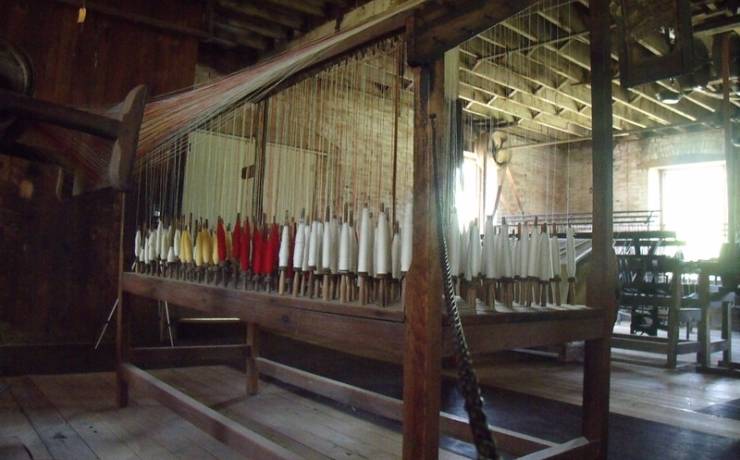
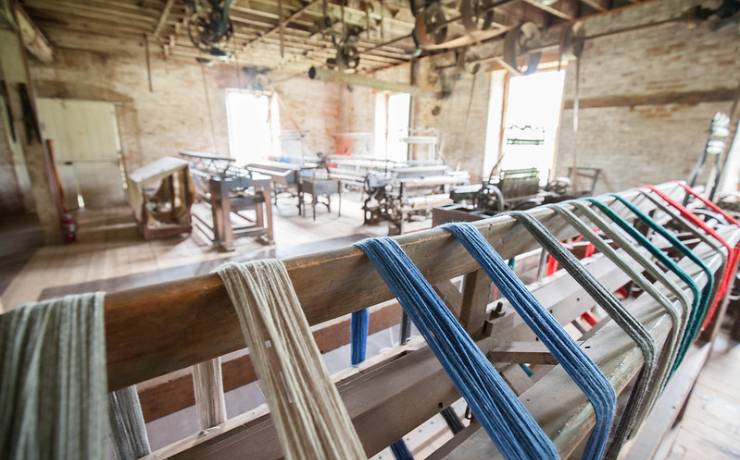
three-story mill where wool was spun into yarn, and woven
into cloth, blankets and shawls. The plantation also
had a brick
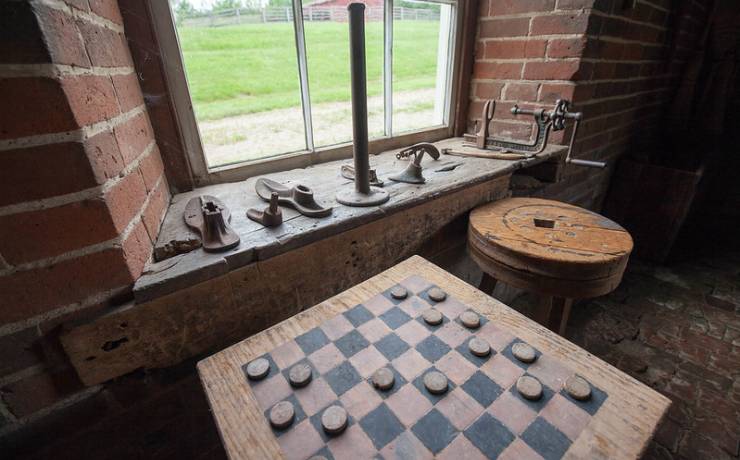
kiln, a gristmill, sawmills, a blacksmith
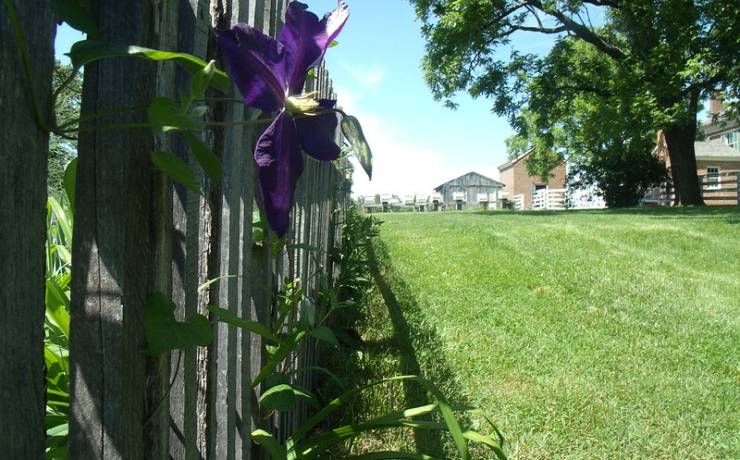
shop, a dairy, a fruit
dryhouse, an icehouse, barns
and other farm buildings, as well as a scale house, a
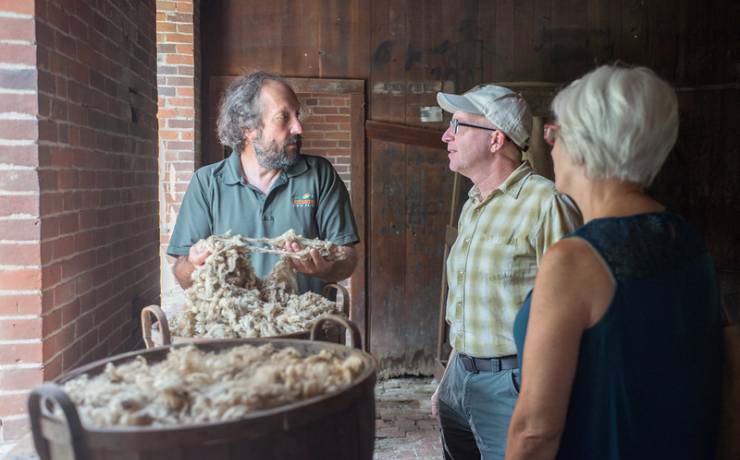
woolshed and
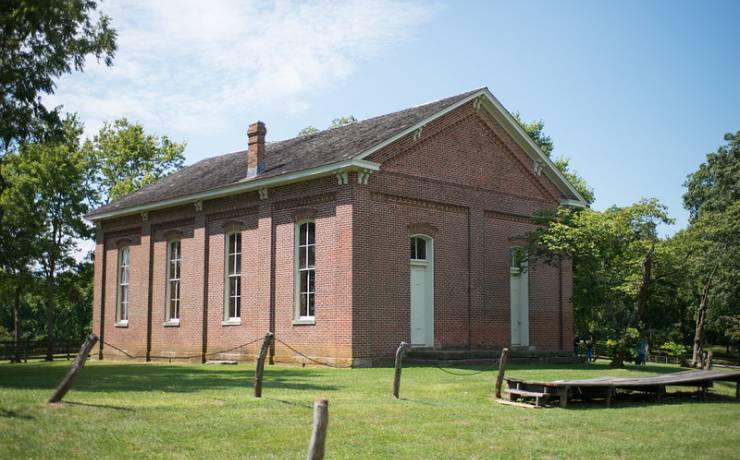
houses for the mill and farm workers. The Mount Vernon Church
and octagonal Franklin Academy
school building were built adjacent to the plantation.
Watkins, like most farmers of his day, practiced diversified farming. He raised shorthorn cattle, Missouri mules, horses, swine, sheep and poultry, grew various grain crops, and planted extensive orchards. He also marketed the services of his mills, kiln and blacksmith shop to people in the area. When the woolen industry reached Missouri in the 1850s, Watkins decided to take advantage of his early training in Kentucky textile mills and in 1860 constructed the Watkins Woolen Mill.
Watkins' nine children helped
manage the family businesses. The boys assisted their
father with the farm and mill operations, and Mary Ann and
her four daughters oversaw the dairy, cared for the poultry
flocks, and dried fruit for sale. They also maintained
a large family garden, raised bees and sold the honey, and
butchered up to 100 hogs each year and smoked the meat for
sale. In 1868 Watkins went into partnership with his
son John, forming the firm of W. L. Watkins & Son.
After Watkins' death, three of his sons continued to operate
the farm and mill as Jno. H. Watkins & Bros.
The Watkins family lived at
Bethany until 1945 when the farm and mill were sold.
The mill and house were acquired by the Watkins Mill
Association in 1958 and opened to the public. The
property became part of the Missouri state park system in
1964. Watkins Woolen Mill was designated a National Historic
Landmark in 1966, and was named a National Mechanical
Engineering Historic Landmark in 1980. The mill and
house, and the adjoining recreation area are administered by
the Missouri Department of Natural Resources' Division of
State Parks.