




General Information
St. Francois Mountain Hideaway
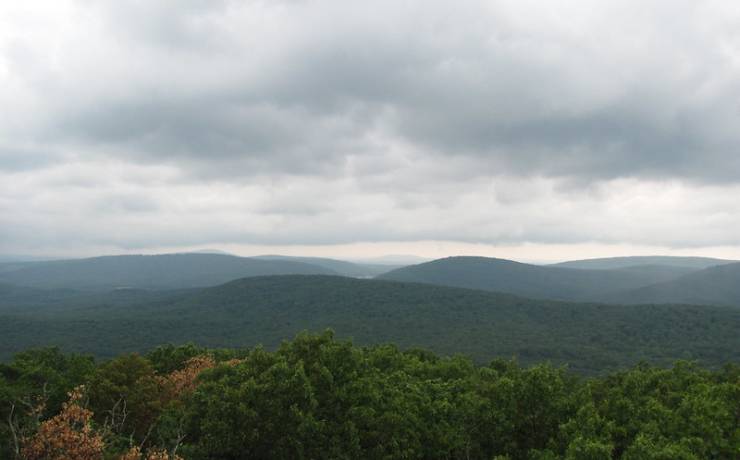
As one of the earliest state parks in Missouri, Sam A. Baker State Park typifies the classic Missouri state park experience. Nature, history and recreational opportunities abound. The park's namesake is former Missouri Gov. Samuel Aaron Baker, who encouraged the park's creation in his birth county during the time of his governorship in 1926. The surrounding conical, domelike hills of the St. Francois Mountains and the distinctive 1930s craftsmanship of the Civilian Conservation Corp (CCC) characterize the more than 5,000-acre park.
The natural history of the park dates back to Precambrian
times when volcanoes created the unique igneous rock that is
the park's geological foundation. The Mudlick Dellenite is
some of the oldest exposed rock on the North American
continent. A period of great erosion carved the landscape
into the knobs and valleys of one of the oldest mountain
regions of North America. Mudlick Mountain, 1,313 feet high
and a dominant feature of Sam A. Baker State Park, is one of
these ancient knobs.
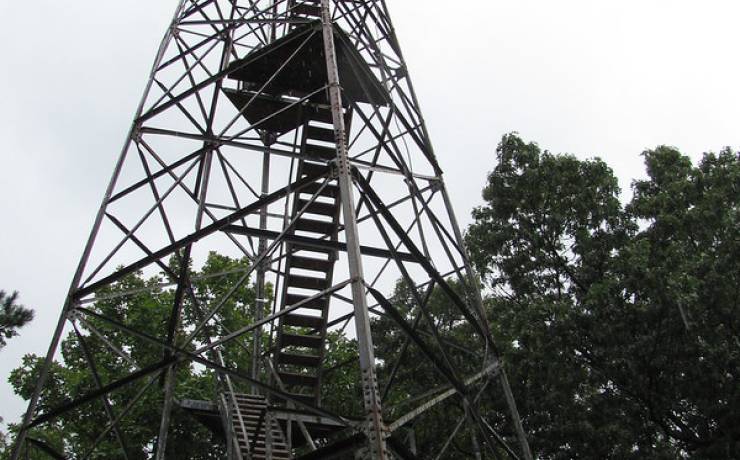
Today, hikers, backpackers and equestrians use the park's scenic trails to view its natural beauty. A designated National Recreation Trail, the Mudlick Trail features a 12-mile loop and the best views of the 4,420-acre Mudlick Mountain Wild Area and the 1,370-acre Mudlick Natural Area. This area is one of the larger wilderness preserves in the Missouri state park system. Natural fires kept the woodland landscape and glades open and free of brushy undergrowth, and fire is still used to maintain the native landscape. Visitors can explore the park's old-growth oak-hickory-pine forests and open woodlands, deep canyon gorges, igneous cliffs, gravel washes and glades. Three stone hiking shelters built during the CCC period are located along the trail and may be used by backpackers on a first-come, first-served basis during the winter hiking season, Oct. 1 - May 15. Deer, turkey, raccoon, bobcats, squirrels and a variety of birds, reptiles and amphibians are easily observed. Other hiking opportunities exist on the 1.5-mile Shut-Ins Trail, the Hollow Pass Trail, and the nearby Wappapello Section of the Ozark Trail. An accessible paved bicycle and jogging path runs for about two miles along the park's main corridor and offers opportunity for serious athletes or those who are just out for a stroll.
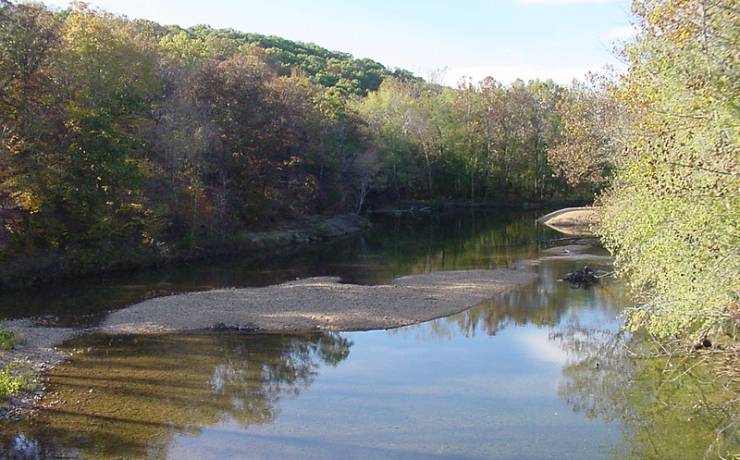
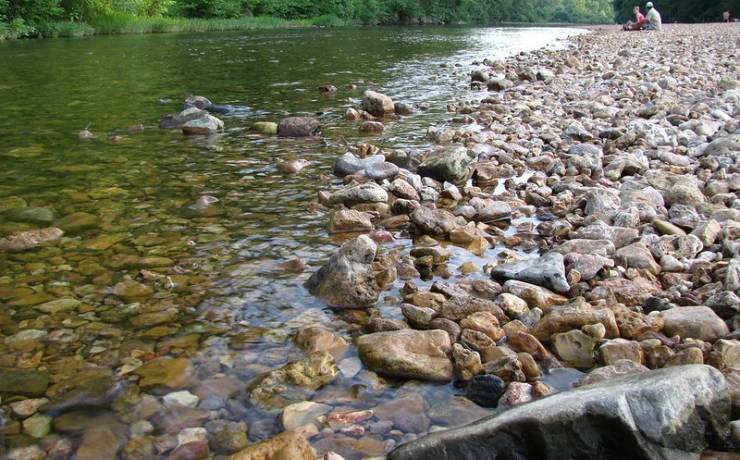
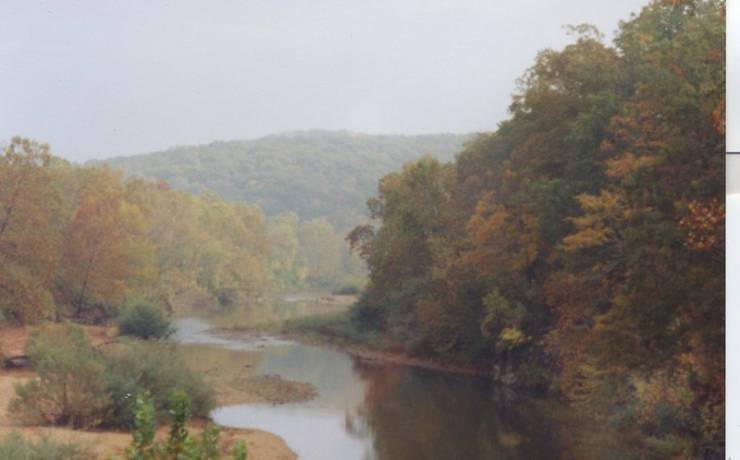
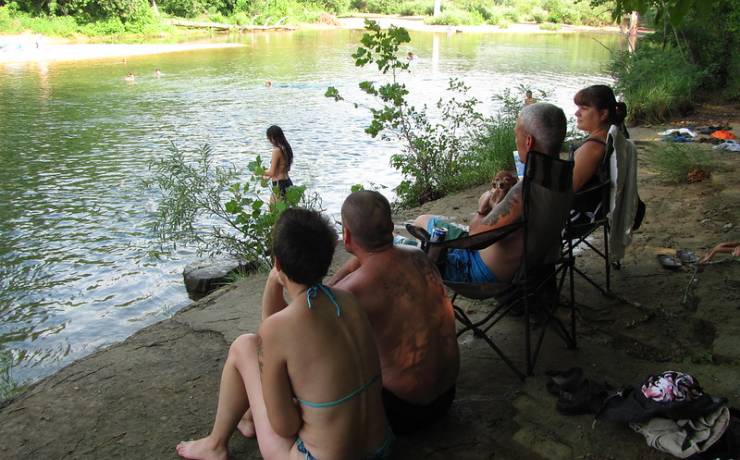
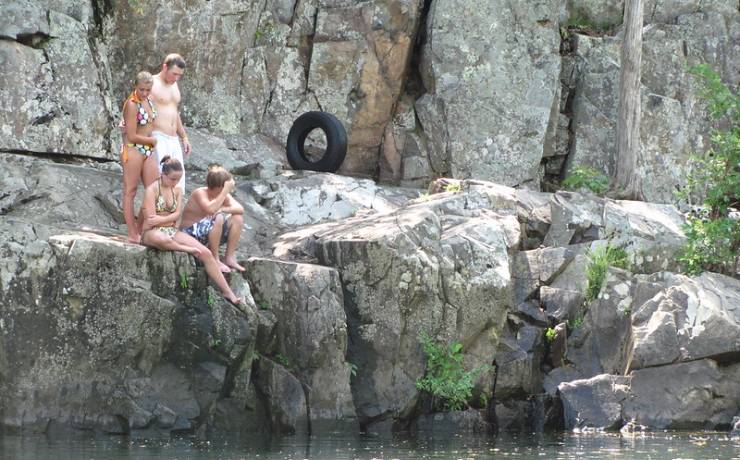
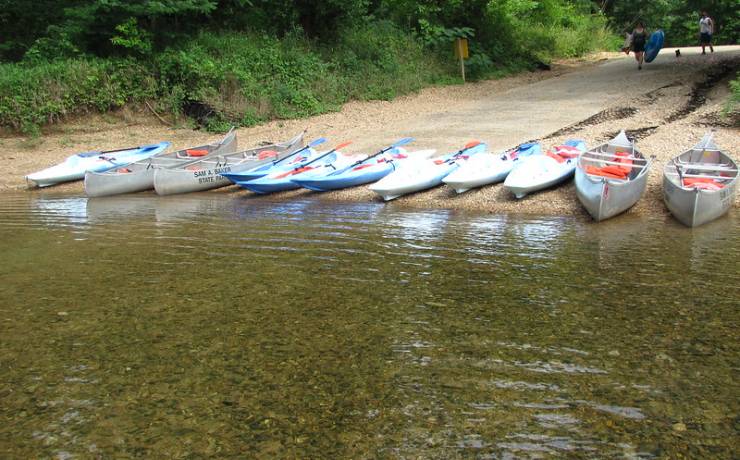
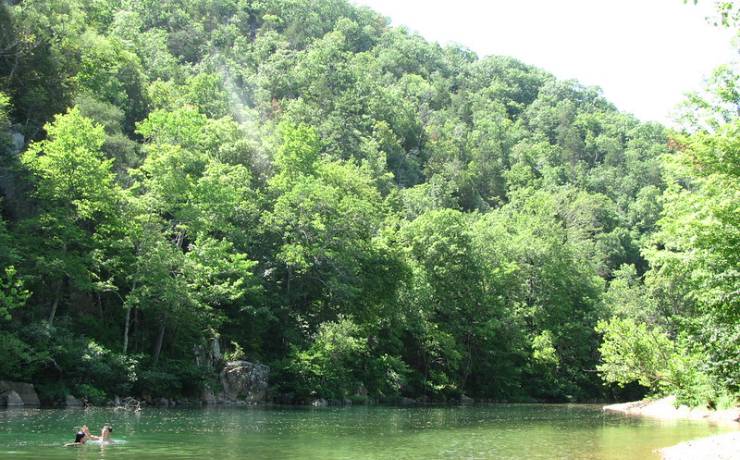
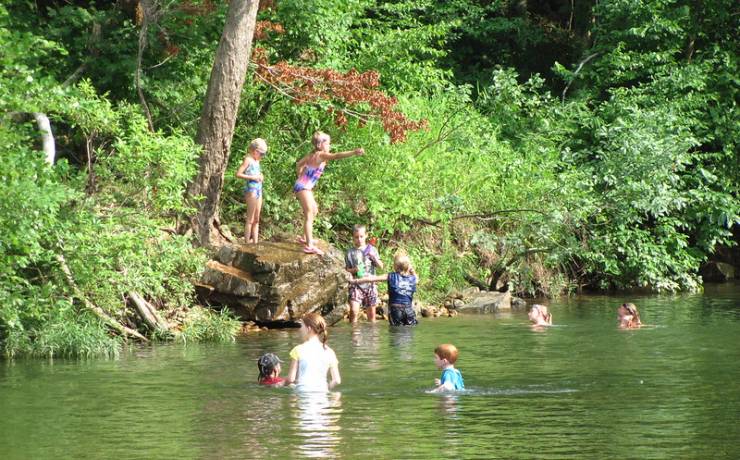
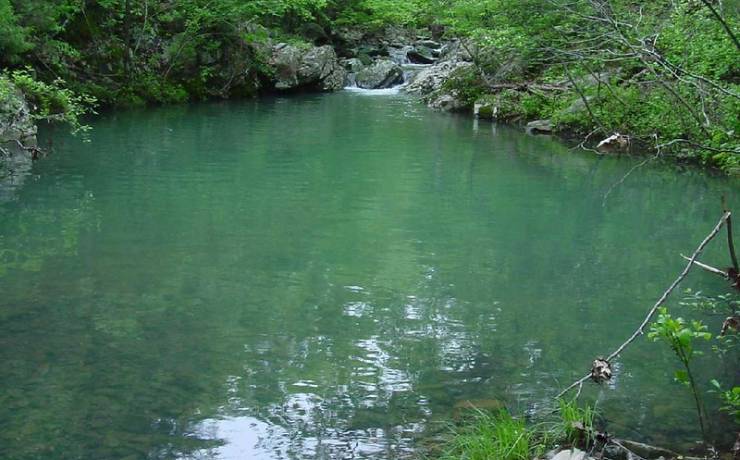
Big Creek and the St. Francois River attract anglers who cast for smallmouth bass, crappie, sunfish, goggle-eye and catfish. Water enthusiasts enjoy wading, tubing, swimming and snorkeling in the cool, clear waters. Canoeing is offered year-round on the St. Francois River while the best time to float Big Creek is in the spring or early summer when kayaks are often used. The park's concessionaire can arrange short or long float trips. A boat ramp and parking area provide easy access to the St. Francois River.
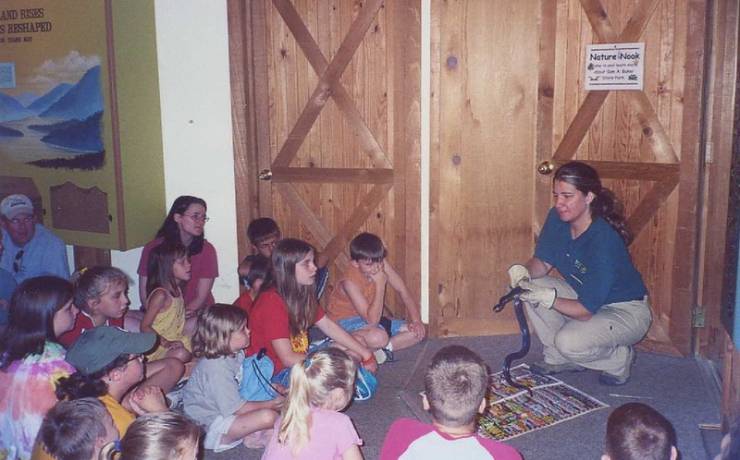
Visitors can enjoy several amenities, such as shaded picnic areas with group pavilions and nearby playgrounds, the visitor and nature center, naturalist programs, a convenient camp and souvenir store, and a hot and hearty meal at the old CCC stone dining lodge. Some facilities are not available during the winter months.
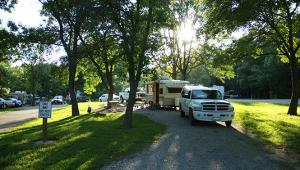
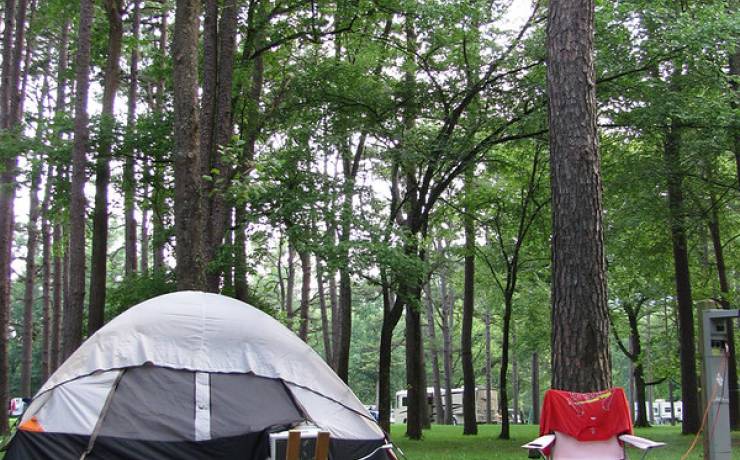
For the overnight guests, there are 18 rustic cabins, most of which were built by CCC craftsman, available for rent during season. The cottages are equipped with air conditioning, heating, linens, cooking utensils and dishes. Two campgrounds offer more than 185 campsites, half of which provide electric hook-ups. Each campground features modern restrooms, hot showers, dumping stations and paved drives. Laundry facilities are available in the park. A separate equestrian campground and an additional group camping area are available. Reservations are taken in advance for all cabins and some campsites.